Austin’s tankless water heater dispatch — endless hot water, done right.
Tank failed? Big family burning through hot water? Want the garage space back? The dispatch line connects you with TSBPE-licensed Master Plumbers who install Navien, Rinnai, and Noritz tankless units — with proper gas line sizing, venting, and Austin hard-water condition kits.
No call center. No out-of-state routing — enter your ZIP and we’ll match you to a local Master Plumber.
Local NetworkMaster Plumbers in every ZIP
TSBPE LicensedEvery dispatched plumber
24/7 DispatchEmergency line always open
Upfront PricingWritten estimate before work begins
How the dispatch line works
Four steps, end to end. The call is free. The matched plumber’s estimate is provided after an on-site visit. You decide whether to proceed.
You call
The 24/7 dispatch line picks up. A real coordinator captures your ZIP, the symptom, and the urgency.
You get matched
Dispatch routes to the nearest TSBPE-licensed Master Plumber familiar with your ZIP and build era.
On-site diagnosis
The dispatched plumber walks the job, writes a line-item estimate, pulls any required permits.
You decide
The plumber walks you through a written estimate after the on-site assessment. No obligation. Work is performed to Texas plumbing code.
Tankless in Austin — what makes it different
Tankless math in Austin is shaped by water hardness, gas line sizing, and stay-time horizon. Here’s what local Master Plumbers actually consider.
💧 Edwards Aquifer hardness changes the descale math
Austin water at 250 mg/L calcium carbonate scales heat exchanger fins faster than tankless brochures assume. Annual descale is non-optional in Austin (vs every 2–3 years in soft-water cities). Cost varies per descale. Skip it and the heat exchanger fails at year 8 instead of year 20. The dispatched Master Plumbers know this and include a hard-water condition kit at install (an add-on) which extends descale interval to every 2 years.
⛽ Gas line sizing is the hidden install cost
A 50-gallon tank uses ~40,000 BTU/hr at peak. A 7-GPM tankless uses ~199,000 BTU/hr at peak — 5x the demand. Most Austin homes built before 2010 don’t have gas supply lines sized for tankless without an upgrade. Resize cost varies depending on run length and meter capacity. Confirmed in the install quote — never a surprise upcharge.
🌬 Venting requirements differ by model
Direct-vent (sealed combustion, pulls outside air): cleanest, most efficient, requires two PVC penetrations through a wall or roof. Power-vent (uses indoor air): cheaper install, slightly less efficient. Concentric-vent: single penetration, premium look. Each has Austin-code-specific clearance requirements. Dispatched plumber matches venting to the install location.
📐 Sizing is everything — undersized = cold sandwich
7-GPM tankless = roughly 2 simultaneous showers in Texas. 11-GPM = 3 showers OR shower + dishwasher OR shower + washing machine. Undersized tankless creates ‘cold sandwich’ — cold burst between hot draws because unit can’t keep up. Sizing depends on cold-inlet temp + flow rate + simultaneous draws. Get the BTU math right at install — never settle for the smallest unit.
Look — tankless economics in Austin are tighter than the marketing makes them look. A correctly-sized tankless with proper gas line sizing + annual descale beats a tank decisively over 20 years. UNDERSIZED tankless (the cheap install) is worse than tank because the customer hates it and re-replaces inside 5 years. The Master Plumbers the dispatch line connects you with size right, vent right, and pull the permit. That’s the version that wins. Cheap installs lose.
Tankless vs Tank — the Austin 20-year math
Install cost · maintenance · energy · replacement · the stay-time tie-breaker.
What a tankless install actually involves
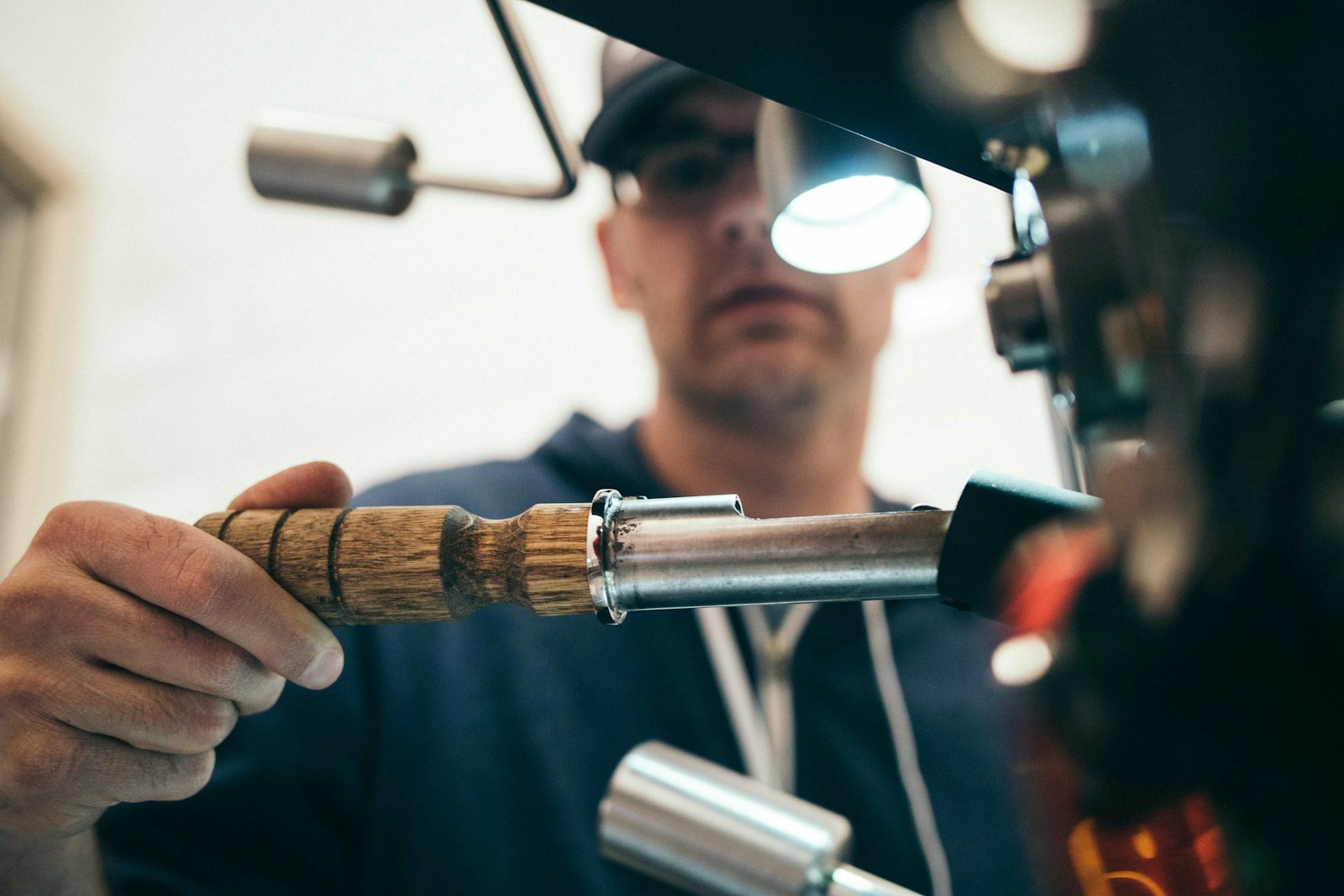
Day-of: remove old tank (drain-down, disconnect, haul away). Mount the new tankless unit on a wall (garage, utility closet, exterior with appropriate housing). Run new water supply connections + gas line + venting. The hidden complexity is the gas line: most pre-2010 Austin homes need the supply line upsized from 1/2-inch or 3/4-inch to 1-inch in the run to the unit. That’s where the install timeline expands.
After install: the dispatched plumber commissions the unit (sets max temp, tests gas pressure with manometer, verifies vent clearances, runs a full hot-water cycle). Owner manual review + first-year descale reminder. City of Austin permit + inspection close out the job. Standard install is 6–10 hours for a straightforward replacement, 1.5 days when gas line resizing or venting changes are needed.
Tankless symptoms + sizing questions
What you’re seeing OR what you’re planning → the right next step.
Symptom Cold sandwich (cold burst between hot draws)
Unit is undersized OR the recirc loop isn’t installed. Common with cheap installs that picked the wrong BTU rating. Adding a recirc pump (an add-on) sometimes fixes it; replacing with a properly-sized unit is the real fix. Don’t accept ‘that’s normal’ as an answer.
recirc pump · cost increases if resize needed ·
Symptom Error code on the front panel
Each manufacturer has different codes — Navien E110/E111 = ignition fail, Rinnai 11 = no ignition, Noritz 11 = combustion lockout. Could be vent blockage, gas pressure, or igniter. Dispatched plumber diagnoses with a service module in 20 min. Don’t reset and ignore — codes mean something.
diagnostic + fix ·
Symptom No hot water at all from tankless
Power, gas, or water flow issue. Check power LED first. If on, check gas valve (smell or hear gas turning on when a hot tap opens). If gas valve fine, check water flow sensor (sometimes scaled in Austin water). Each isolation step takes seconds.
typical same-visit repair ·
Symptom Unit cycling on and off rapidly
Flow sensor sees too-low flow rate — common when only a single fixture is on at low flow (bathroom sink at trickle). Most modern units have a 0.4 GPM activation threshold. If cycling happens at normal flow, the flow sensor is scaling from hard water — needs descale.
descale service · sensor replace if needed ·
Symptom Hot water lukewarm, not full hot
Either max-temp setting too low (front panel) or scale buildup in heat exchanger reducing efficiency. Descale clears scale issues; setting adjustment is free. Dispatched plumber confirms in 10 minutes.
no-cost setting check · descale service ·
Symptom Sizing for a new install (no symptom yet)
Number of simultaneous draws + cold-inlet temp + flow per fixture = BTU need. Austin cold-inlet runs ~55°F in winter. Two showers at 2.5 GPM each + cold inlet 55°F + 105°F output = need ~150K BTU min. The Master Plumbers do this math BEFORE quoting. Get the math, get the right unit. Pflugerville’s newer subdivisions add a second variable — gas line and electrical capacity sized for a tank unit, not a high-BTU tankless — see the dedicated tankless water heater installation Pflugerville page for the gas/electrical upgrade math and hard-water warranty considerations specific to that area.
no-cost consult · correct-sized install if needed ·
Thinking tankless? Get the math run on YOUR house.
Sizing + gas + venting + permit · Done right or not at all · Calls free
Tankless DIY — annual maintenance
Stuff every tankless owner should do annually. And where to stop and call.
✓ Annual descale (mandatory in Austin)
Most modern tankless units have built-in descale ports (two service valves, isolating the heat exchanger from supply). Hook up a small submersible pump + bucket of white vinegar (or commercial descaler). Circulate for 45 minutes. Flush with fresh water 5 minutes. Done. Total cost: a bottle of vinegar + your time. Manufacturer recommends every 6 months in hard water — annual is the realistic minimum in Austin.
STOP if: the service valves are stuck or you don’t have descale isolation valves. Dispatched plumber descales + adds the isolation kit (low added cost) so you can DIY next year.
✓ Cleaning the inlet water filter
All Navien/Rinnai/Noritz have a removable mesh filter on the cold-water inlet. Twice a year (or whenever water flow drops noticeably), close the cold valve, unscrew the filter housing, rinse the mesh, reinstall. Catches sediment + scale flakes. Skip it and the flow sensor sees restricted flow and starts erroring.
STOP if: the filter housing won’t unscrew (corroded). Don’t force it with channel locks — you’ll crack the housing. Dispatched plumber has the right tool.
✓ Checking the vent termination outside
Walk around the house annually and look at the vent terminal (where the exhaust exits the wall or roof). Spider webs, bird nests, leaves — anything blocking the vent reduces unit efficiency or triggers error codes. Brush clean with a chimney brush (inexpensive tool). 5-minute job.
STOP if: the vent terminal is damaged or shows soot deposits (sign of combustion issue). That’s not a DIY situation — check availability for a combustion analysis.
✓ Verifying temp setting
Front panel display. Texas Health & Human Services recommends 120°F max for residential. Higher = scalds at 1-second exposure (3-second at 120°F). Lower = Legionella risk in stored hot water (less of an issue with tankless but still). Verify with a meat thermometer at the kitchen tap.
STOP if: the display panel is unresponsive or showing erratic readings. Could be control board failure. Check availability.
Austin tankless water heater — cost factors
Market data from Austin dispatch install log + Angi 2025 Austin metro median.
Relative cost level shown — the dispatched plumber quotes your exact price after diagnosis
Calls are free. The Master Plumbers dispatched through this line provide a written estimate after an on-site assessment.

Neighborhoods & cities the dispatch line covers
Austin tankless water heater — real questions, real answers
What homeowners actually ask the dispatch line about tankless.
Ready for endless hot water in Austin?
Navien · Rinnai · Noritz · Done right with permit + sizing math · Calls free.