Quick answer: One leak is a repair; leaks that keep appearing in different spots mean the pipe material itself is failing — the classic repipe signal in Austin’s 1960s–80s housing stock. Recurring pinholes, discolored water, and slowly falling pressure are the three signs that matter most. The whole-house repipe page for Austin explains how the assessment and PEX reroute actually work.
Dealing with a plumbing problem right now?
📞 Call now — get matched with a licensed local plumber: (737) 283-6243Have your address and a quick description of the problem ready — the call takes about 2 minutes.
Licensed local pros · Fast response, subject to availability · No obligation
One Leak Is a Repair. Three Leaks in Two Years Is a Pattern
Every plumbing system develops the occasional pinhole leak or slow drip somewhere along the way — that’s normal wear. What’s not normal is fixing one leak in the kitchen wall this spring and finding another one behind the water heater by fall. When leaks keep showing up in different spots, the pipe material itself is failing, not just one joint or fitting, and that’s a different conversation than a spot repair.
What Does a Repipe Actually Involve?
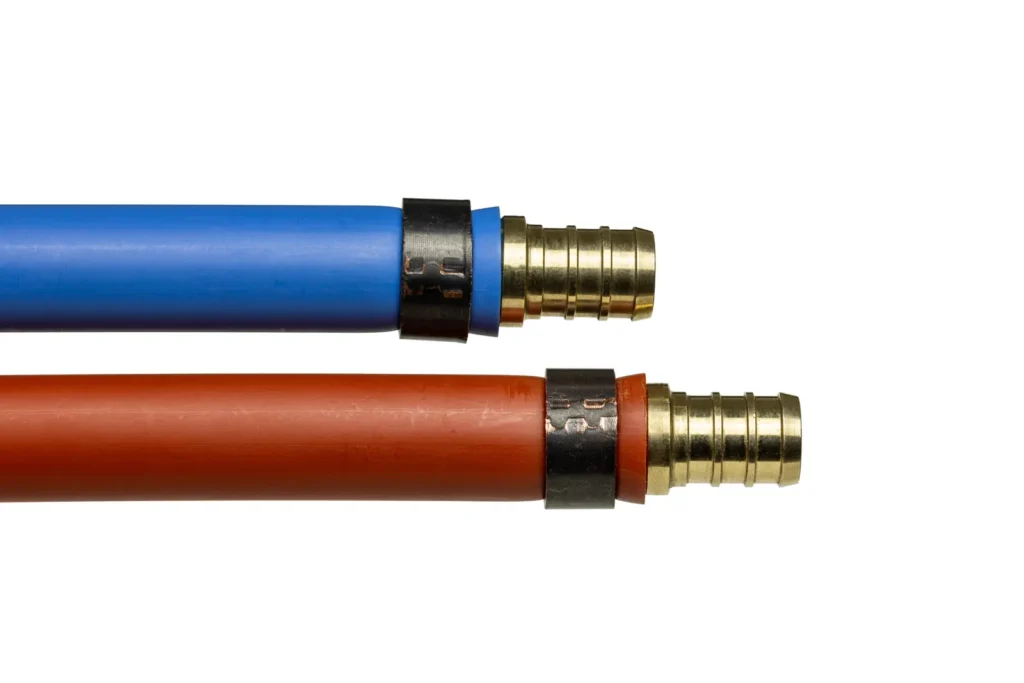
A repipe replaces some or all of a home’s supply lines — the pipes carrying pressurized water to fixtures — instead of patching individual failures as they pop up. It doesn’t touch the drain lines unless there’s a separate sewer problem going on at the same time. Most Austin repipes run new PEX tubing through existing wall and attic cavities, which keeps drywall cuts to a minimum compared to what people picture when they hear “repipe.”
Six Signs It’s Time to Talk About a Repipe Instead of Another Patch
- Recurring pinhole leaks in different locations. One leak is a fitting problem. Two or three unrelated leaks within a year or two means the pipe wall itself is thinning from the inside out.
- Rusty or discolored water, especially after the water’s been off for a few hours. Water that runs brown or orange first thing in the morning and clears up after running a minute is a classic sign of corroding galvanized supply line.
- Low water pressure across the whole house, not just one fixture. When it’s every tap and not just the one with a crusty aerator, mineral buildup or corrosion is narrowing the inside diameter of the pipe itself.
- Visible corrosion at exposed fittings. Greenish buildup on copper joints or flaking rust on galvanized pipe in a utility closet or under a sink is often a preview of what’s happening inside the walls.
- The home still has its original galvanized steel supply lines. Galvanized pipe has a functional lifespan, and homes built before the mid-1980s across central Austin neighborhoods are well past it.
- A noticeable water bill increase with no clear single leak found. Small leaks at multiple failing joints can add up gradually rather than showing up as one dramatic event.
Why This Shows Up More in Austin Than in Newer Sunbelt Markets
Austin’s housing stock spans several very different plumbing eras in the same ZIP code. Central neighborhoods built before 1985 — think parts of 78703, 78704, 78751, and 78756 — were built with galvanized steel supply lines that are now well past 40 years old and pinholing on a predictable schedule. Homes from the mid-80s through early 2000s often have copper with sweated joints that develop slow drips as the solder ages. And in the neighborhoods sitting on Houston Black clay south and east of MoPac, the seasonal soil shift that causes slab leaks also stresses supply lines at every joint, which is why some of these homes see recurring leaks even with newer pipe material. When the pipe material and the ground underneath are both working against you, patch-and-repeat starts costing more than doing it right once.
How Does a Licensed Plumber Decide Between a Spot Repair and a Full Repipe?
A licensed plumber doesn’t default to a repipe recommendation — it’s usually the last option after the pattern is clear. They’ll typically look at how many separate leaks have happened, what the pipe material is, how old the home is, and whether the leaks are isolated to one branch of the plumbing or scattered across the system. A single leak in an otherwise sound copper or PEX system gets a spot repair. A home on original galvanized with two or three leaks in recent memory is a different picture, and that’s the conversation worth having before the next leak happens somewhere less convenient.
What Not to Do
Don’t keep patching the same failing pipe material leak by leak and assume each one is unrelated — it adds up to more cumulative cost and more water damage risk than addressing the pattern head-on. And don’t assume a repipe means tearing out every wall in the house; most Austin repipes run new PEX through existing cavities with targeted drywall access points, not a full demolition.
What Happens During a Repipe Assessment
A licensed plumber walks the home, identifies the existing pipe material and routing, and checks which fixtures and branches are affected. From there you’ll get a written estimate that lays out the scope — whether it’s a full-home repipe or a targeted section — before any work starts. You decide whether to move forward.
Get a Licensed Austin Plumber to Look at the Pattern
If you’ve had more than one supply-line leak in the past year or two, or your water’s been running rusty, it’s worth having a licensed plumber take a real look before the next leak happens somewhere harder to reach. Get connected to a licensed local plumber for a repipe assessment — the dispatch line runs 24/7. For a leak that’s isolated and recent, the Austin pipe repair dispatch line covers spot repairs for galvanized, copper, and PEX. Or enter your Austin ZIP to be matched with a licensed local plumber and get a straight answer on which one you actually need.