Fort Worth’s plumber dispatch — two soils, century homes, boomtown growth.
Fort Worth splits between expansive eastern clay and sandier western ground, with century-old pipe in Fairmount and brand-new construction sprawling north. One call matches you with an independent licensed plumber who knows which problem your side of town grows.
📞 Call (737) 283-6243 — 24/7 Dispatch
One call, no forms, no waiting on callbacks. Describe the problem, and the line matches you with an independent licensed plumber serving Fort Worth — nights, weekends and holidays included. By calling, you consent to be connected with an independent licensed plumbing company serving your area.
Quick answer: Call (737) 283-6243 and describe the problem. The dispatch line matches you with an independent TSBPE-licensed plumber serving your part of Fort Worth — historic-district repipes near Magnolia Avenue, slab-leak location in eastern clay, or builder-warranty-expired fixes in the Alliance corridor. Answered 24/7.
Why does Fort Worth plumbing depend on which side of town you live on?
Fort Worth straddles a geological seam. East and southeast, the ground is Blackland-style expansive clay — the shrink-swell soil that flexes slab foundations and the water lines cast inside them. West and northwest, soils trend sandier and rockier along the Western Cross Timbers, where movement is gentler but trenching hits rock and older yard lines wear at contact points.
Practically, that means a warm floor spot in an eastern Fort Worth or Arlington-side slab home gets treated as a likely clay-movement slab leak, while chronic yard-line trouble on the west side more often traces to rocky bedding or aging materials. A plumber who works Tarrant County daily carries both maps in their head.
The Trinity River corridor adds its own wrinkle: low-lying areas with shallow water tables where sewer lines sit in damp soil and corrosion runs faster. Describing your neighborhood on the dispatch call genuinely changes the diagnosis the plumber walks in with.
What is living inside Fairmount, Ryan Place and other historic Fort Worth homes?
Fort Worth has one of the largest historic districts in the Southwest — Fairmount alone spans blocks of 1900s–1930s bungalows and foursquares, with Ryan Place, Mistletoe Heights and the TCU-adjacent streets close behind. Most are pier-and-beam, and behind the shiplap the original galvanized supply and cast-iron drains are a century old.
Galvanized at that age is closed halfway shut with rust: pressure drops when two fixtures run, and first-draw water is discolored. Cast iron shows up as recurring clogs, sewer odor, and drain lines that a camera reveals to be channeled thin along the bottom. The good news is that pier-and-beam access makes full repipes and drain replacements far less destructive than slab work — these are bread-and-butter jobs for crews that work the historic districts.
If you are renovating one of these houses, get the supply and drains scoped before finishing walls. It is the cheapest moment you will ever have to fix them, and dispatch requests for pre-renovation assessments are routine.
What do freeze events and boomtown growth do to Fort Worth plumbing?
Fort Worth took the February 2021 freeze as hard as anywhere in North Texas — days below freezing burst attic and wall lines across the metro, and the emergency-repair patchwork from that month still generates callbacks. Ordinary winters bring several hard-freeze nights that pick off hose bibs, exposed lines and pool equipment; foam sleeves and knowing the main shutoff location remain the highest-value prevention in the city.
Meanwhile, Fort Worth is one of the fastest-growing big cities in the country, and the northern growth corridors — Alliance, Saginaw, Keller-adjacent subdivisions — are stacked with homes hitting the 7–15 year mark, where builder-grade water heaters, plastic fill valves and quick-connect fittings start failing on schedule. The first wave of those homes is aging out of warranty into real maintenance now.
Fort Worth’s surface water is moderately hard — heaters scale over years, not months. A periodic flush and an anode check somewhere around the heater’s midlife typically decides whether it dies at year 8 or year 15.
What Fort Worth plumbing problems does the line handle?
Every card below links to a detailed service guide — what the work involves, what drives the effort, and what to check before anyone arrives. The dispatch line covers all of it for Fort Worth.
24/7 Emergency Plumbing
Burst pipes, active leaks, sewage backups — the line answers around the clock and routes you to a licensed plumber on call.
Water Heater Repair
Tank and tankless diagnosis — no hot water, pilot failures, sediment noise, leaking T&P valves.
Drain Cleaning
Snaking, hydro-jetting and camera scoping for kitchen, shower and mainline clogs.
Leak Detection
Acoustic and thermal location of hidden leaks before they become demolition projects.
Slab Leak Detection
Under-slab pinpointing so the plumber opens one spot in the foundation, not five.
Sewer Line Repair
Camera-verified diagnosis, trenchless lining and pipe bursting where the ground allows.
Tankless Water Heaters
Sizing, gas-line checks and descaling schedules matched to local water hardness.
Water Softener Installation
Grain-capacity sizing based on the hardness that actually comes out of local taps.
Fort Worth plumbing risk factors, mapped
Five local conditions drive most Tarrant County dispatch calls:
| Local factor | What it does to plumbing | What to watch for |
|---|---|---|
| Eastern expansive clay | Slab flexing and under-slab line failures east of downtown | Warm floor spots, unexplained meter movement |
| Century-old galvanized/cast iron | End-of-life pipe throughout the historic districts | Pressure starvation, rusty draw, repeat clogs |
| Hard-freeze nights | Burst hose bibs, attic and wall lines each winter | Post-freeze drips and ceiling stains |
| Boomtown builder-grade fixtures | 7–15 year failures across northern growth corridors | Heater leaks, running toilets, fitting drips |
| Trinity corridor damp soils | Faster corrosion on buried metal lines | Soggy yard strips along the sewer path |
| Rocky western trenching | Contact-point wear on yard and service lines | Recurring leaks along the same buried run |
Which Fort Worth areas does the dispatch line cover?
Independent licensed plumbers in the network take dispatch calls across the Fort Worth area, including:
Fort Worth plumbing questions, answered straight
Is my Fort Worth home on clay or sand — and why does it matter?
Roughly: east and southeast of downtown trends expansive clay, west and northwest trends sandier with rock. Clay homes get slab-movement leaks; rockier ground wears yard lines at contact points. It changes both the likely diagnosis and the repair approach, which is why the plumber will ask where you are.
My Fairmount bungalow loses pressure when two things run. What is that?
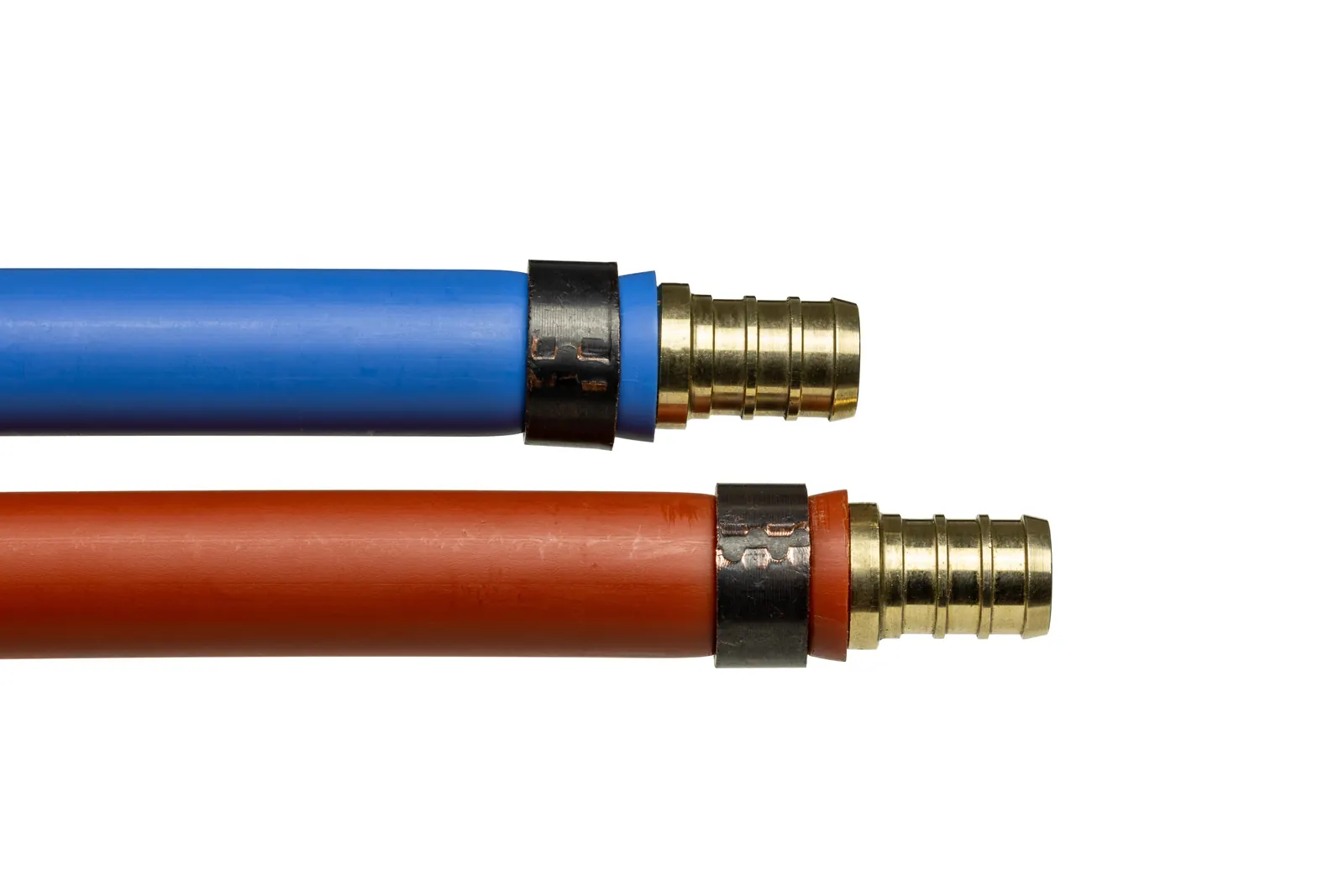
Textbook end-stage galvanized supply pipe — a century of internal rust narrowing the line. Pier-and-beam construction makes a PEX repipe a reasonable, non-destructive job. A flow-versus-static pressure test confirms it in minutes.
What should I do the night a hard freeze is forecast?
Cover hose bibs, open cabinet doors on exterior-wall plumbing, drip the farthest faucet, and confirm you can operate the main shutoff. Most freeze-burst damage in Fort Worth comes from the handful of nights that stay below freezing through the day — those are the nights to act.
Who shows up when I call the dispatch line?
An independent, TSBPE-licensed plumbing company serving your part of Tarrant County. Austin Plumbing Pros is a dispatch and referral service — the plumber matched to your call handles diagnosis, pricing and the work directly with you.
My 10-year-old house in the Alliance corridor keeps having small failures. Normal?
Very. Builder-grade water heaters, plastic valves and quick-connect fittings cluster their failures in the 7–15 year window. Handling them proactively — heater anode check, valve upgrades during any service visit — is cheaper than meeting each one as an emergency.
Popular Fort Worth plumbing searches
Dedicated Fort Worth guides for the searches behind most dispatch calls — each grounded in this city’s housing, soil and water. The full plumbing services directory covers every guide on the site.
Fort Worth plumbing problem? Get matched now.
Historic-house pipes, eastern clay slab leaks, freeze damage or a builder-grade failure — one call matches you with an independent licensed plumber serving your side of Fort Worth. 24/7.
Austin Plumbing Pros is a dispatch and referral service, not a licensed plumbing contractor. All work is performed by independent Texas-licensed (TSBPE) plumbers who hold their own license, insurance and bond. Availability varies by area and time of day.